SIP
Invest a fixed amount at regular intervals, such as ₹5,000 a month. Each instalment buys units at the applicable price on that date. A SIP spreads out your purchases and remains subject to market risk.
Month 1Month 2Month 3

Investment Guided By Knowledge
Explore ways to invest through mutual funds, understand life cover, and use our SIP calculator to see how regular contributions could build over time.

01 / Mutual funds
A mutual fund pools money from investors. A fund manager invests it in assets such as shares or bonds according to the scheme’s objective. What you own is measured in units, and the value of those units can rise or fall.
Before you invest, think about what you’re saving for, when you’ll need the money, and how comfortable you are with changes in its value.

Invest a fixed amount at regular intervals, such as ₹5,000 a month. Each instalment buys units at the applicable price on that date. A SIP spreads out your purchases and remains subject to market risk.
Invest the amount you’ve set aside in one transaction. The full contribution is exposed to market movements from the time it is invested, so consider when you might need that money.
Why invest in mutual funds?
Education, a home and retirement can cost more by the time you need the money. A mutual fund can be one way to invest toward those goals, depending on when you need the money, how much you can set aside and how much fluctuation you can handle.
A diversified fund can hold investments across several companies or issuers. That can reduce reliance on any one holding. The fund can still fall when markets fall, and some schemes concentrate on a sector or theme.
A fund manager or investment team runs the portfolio according to the scheme’s stated objective. Check what the fund holds, the risks it takes and its expense ratio so you know what you’re paying for.
A SIP lets you put in a fixed amount on a schedule. When the unit price changes, that amount buys a different number of units. A SIP can make regular investing easier while your money remains exposed to market movements.
Equity funds mainly hold shares. Debt funds mainly hold bonds and face risks such as changing interest rates and issuer defaults. Hybrid funds hold a mix. Compare the scheme’s Riskometer, costs, liquidity and time horizon before investing.
Keep emergency expenses and money you need soon separate from long-term investment decisions. Use the Risk Comfort Check to reflect on how a loss could affect your plans.
02 / Insurance
Term life insurance provides cover for a specified period. Its main purpose is financial protection for your family if you die during that period, subject to policy terms.
Savings-oriented life insurance combines life cover with a savings benefit. Before choosing a plan, check the premium payment term, exclusions, and which benefits are guaranteed under the policy.

Interested in becoming an Insurance Consultant (IC)? The role involves explaining insurance options and helping people understand the policies they’re considering.
Ask about eligibility, training, the exam and how insurer appointment works.
The role can help you build insurance knowledge, client-service skills and professional relationships. After appointment, eligible business may earn commission under the insurer’s terms. Earnings can vary.
Life insurance planning
Start with the share of your take-home pay your family would need to replace. Add debts and separate responsibilities, then subtract savings and life cover available to your family.
Estimated additional life cover
—
Illustration only. Use this rough estimate as a starting point to review your family’s needs. Figures are in today’s rupees and exclude future inflation and investment growth. Your inputs stay in this browser.
03 / SIP calculator
Enter the amount you could contribute each month, how long you could invest, and the annual return you want to assume. Change one input at a time to see how it affects the result.
Total invested is the sum of your contributions. Estimated future value includes the illustrative gain or loss. Your inputs stay in this browser.

Example inputs are editable.
Estimated future value
—
Illustration only. Returns are not guaranteed. Assumes month-end contributions and a constant effective annual return. Taxes and charges are excluded.
04 / Goal planning
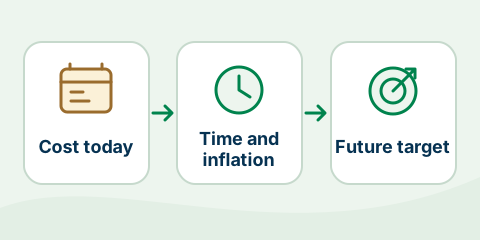
Saving for education, a home or a car? Enter what it costs today, how many years you have and your inflation assumption. See what the goal could cost when you need the money.
Add what you’ve saved to see the remaining gap and the estimated monthly SIP or one-time investment needed to close it.
05 / Retirement planning
Start with what you know today. Estimate your future expenses, work backwards from a retirement savings target, or check how long your savings could support withdrawals.
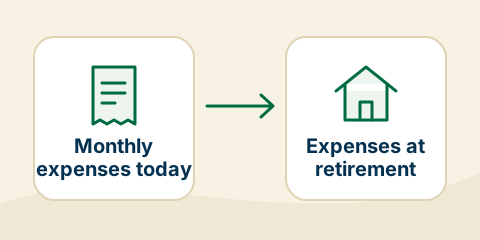
Start with today’s household expenses. Estimate your monthly expenses at retirement, the savings you may need and the starting SIP to work toward it.
Open Lifestyle Planner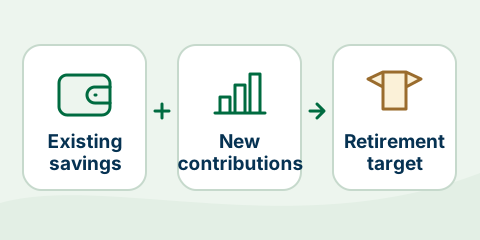
Already have a retirement savings target? Include existing investments and any planned lump sum, then compare the starting SIP across three return assumptions.
Open Corpus Builder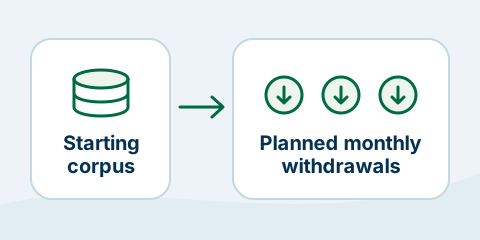
Enter your retirement savings and planned monthly withdrawals. See how long the money might last and when a withdrawal could first fall short.
Open SWP Simulator06 / Investment risk
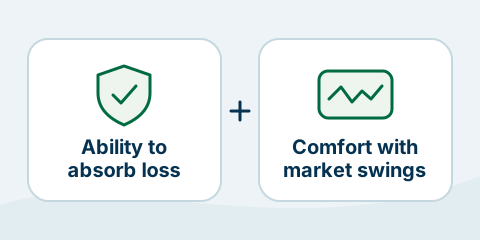
How much loss could you absorb, and how comfortable would you be if your investments fell in value? The eight-question Risk Comfort Check looks at these separately.
Choose one goal and answer questions about its time horizon, your emergency savings and how you might react to a market fall. Use the summary as a starting point for discussion.
07 / About

AMFI-registered Mutual Fund Distributor
ARN-372037 · EUIN E712724
NIVED Wealth is Ashutosh’s independent mutual fund distribution practice. A first conversation can cover what you’re investing for, which terms or risks you’d like explained, and what you need to get started.

08 / FAQs and contact
A few answers to common questions about starting out. If you’d like to discuss a specific goal or have a question about insurance, get in touch directly.
Both plans of the same scheme share a portfolio and fund manager. A Regular Plan is available through a mutual fund distributor and includes distribution costs in its expense ratio. A Direct Plan has a lower expense ratio because it excludes distributor commission. Read AMFI’s explanation.
As a mutual fund distributor, NIVED Wealth may receive trail commission from an asset management company on Regular Plan investments made through us. The scheme’s Regular Plan expense ratio reflects distribution costs.
A Systematic Investment Plan lets you invest a fixed amount at regular intervals in a mutual fund scheme. Each instalment buys units at the applicable price, so the number of units you buy can vary.
Yes. Many schemes accept lump sum investments. Check the scheme’s minimum amount, objective and risk before choosing where to invest.
Yes. The value can rise or fall as the assets in the scheme change in price. Check the scheme’s Riskometer and read its documents to understand what it holds and the risks involved.
It shows how your ability to handle a loss and your comfort with market swings compare. You can use the result to identify questions to discuss before investing.
Tell us whether you’d like to discuss mutual funds, life insurance or becoming an Insurance Consultant. You can send a WhatsApp message or email, call the business number, or request a callback.